

The Best Gelato Flavors: A Complete Guide for 2026

Key Insight | Explanation |
Gelato has hundreds of distinct flavors | From traditional Italian crema and stracciatella to tropical and seasonal varieties, the range of gelato flavors spans every taste preference and occasion. |
Pistachio and chocolate are the most popular | Across Italy and internationally, pistachio and chocolate consistently rank as the top-ordered gelato flavors in gelaterie, followed closely by hazelnut and stracciatella. |
Plant-based gelato can match dairy in texture | Maestro-crafted, 100% plant-based gelato made with all-natural ingredients rivals traditional dairy gelato in richness, creaminess, and depth of flavor. |
Gelato differs fundamentally from ice cream | Gelato contains less fat and less air (overrun) than ice cream, producing a denser, more intensely flavored product that melts differently on the palate. |
Seasonal and regional flavors matter | Authentic gelaterie rotate flavors based on fruit seasons and local ingredient sourcing, which is why the best gelato tastes different in February than in August. |
Ingredient quality defines flavor quality | No preservatives, no artificial colors, and no artificial flavors means the gelato's taste comes entirely from the real ingredient — pistachio, cocoa, or fresh fruit. |
Table of Contents
What Are Gelato Flavors? A Direct Answer
Gelato flavors span a wide spectrum: from Italian classics like pistachio, stracciatella, chocolate, and hazelnut to fruit-forward sorbetti, seasonal specials, and modern plant-based creations. The range of gelato flavors available at an authentic gelateria is determined by ingredient seasonality, regional tradition, and the skill of the maker. Unlike mass-produced ice cream, which leans on artificial flavorings for consistency, genuine gelato derives every note of taste from the real ingredient itself — roasted nuts, ripe fruit, pure cocoa.
Gelato (from the Italian word for "frozen") is a dense, low-overrun frozen dessert with Italian origins dating back to the Renaissance [1]. Its lower fat content and reduced air incorporation — compared to American-style ice cream — produce a more concentrated flavor profile per spoonful. That's why a scoop of well-made pistachio gelato tastes more intensely of pistachio than most pistachio ice creams ever will.
Classic Traditional Gelato Flavors
Traditional Italian gelato flavors fall into two main families: creme (cream-based) and frutta (fruit-based), each with its own texture profile and serving tradition [2].
The Cream-Based Classics
Cream-based gelato flavors use a custard or milk base enriched with nuts, chocolate, or egg. These are the flavors you'll find in virtually every gelateria from Milan to Miami. According to WhyGelato, the canonical list of traditional creme flavors includes [3]:
• Crema — An egg-custard base with a delicate vanilla-adjacent flavor. It's the foundational flavor that defines Italian gelato craft. Lighter in sweetness than vanilla ice cream, with a silky finish.
• Stracciatella — Cream gelato with fine shards of chocolate folded in. The name means "torn apart" in Italian, referring to how molten chocolate is drizzled in and breaks into thin flakes [1].
• Cioccolato (Chocolate) — Made with high-quality cocoa or melted dark chocolate. The best versions use single-origin chocolate and taste nothing like chocolate ice cream.
• Nocciola (Hazelnut) — Built from freshly roasted hazelnuts, often sourced from Langhe in Piedmont [4]. Rich, slightly bitter, and deeply nutty.
• Pistacchio (Pistachio) — Arguably Italy's most beloved gelato flavor. Authentic versions use Sicilian pistachios from Bronte, producing a vivid, complex flavor that's earthy and sweet simultaneously.
• Tiramisu — Coffee, mascarpone, and cocoa layered into a single flavor. A modern classic that became a gelateria staple in the 1980s.
• Zabajone — Based on the traditional Italian dessert zabaglione, made with egg yolks and a sweet wine. Rich, custardy, and slightly boozy.
• Fior di Latte — Pure milk gelato with no added flavoring. The quality of the milk is everything here, making it a true test of a gelateria's ingredient standards.
Order Online
The Fruit-Based Classics (Sorbetti)
Fruit-based gelato flavors — technically sorbetti when dairy-free — are naturally lighter and brighter. Italy Explained notes that the most common Italian fruit flavors include [5]:
• Fragola (Strawberry) — Fresh and fruity, best in summer when strawberries are at peak ripeness.
• Limone (Lemon) — Tart, refreshing, and palate-cleansing. One of the most popular warm-weather orders in Italy.
• Lampone (Raspberry) — Bright, slightly tangy, and deeply colored from real fruit.
• Pesca (Peach) — Delicate and floral, typically a late-summer seasonal offering.
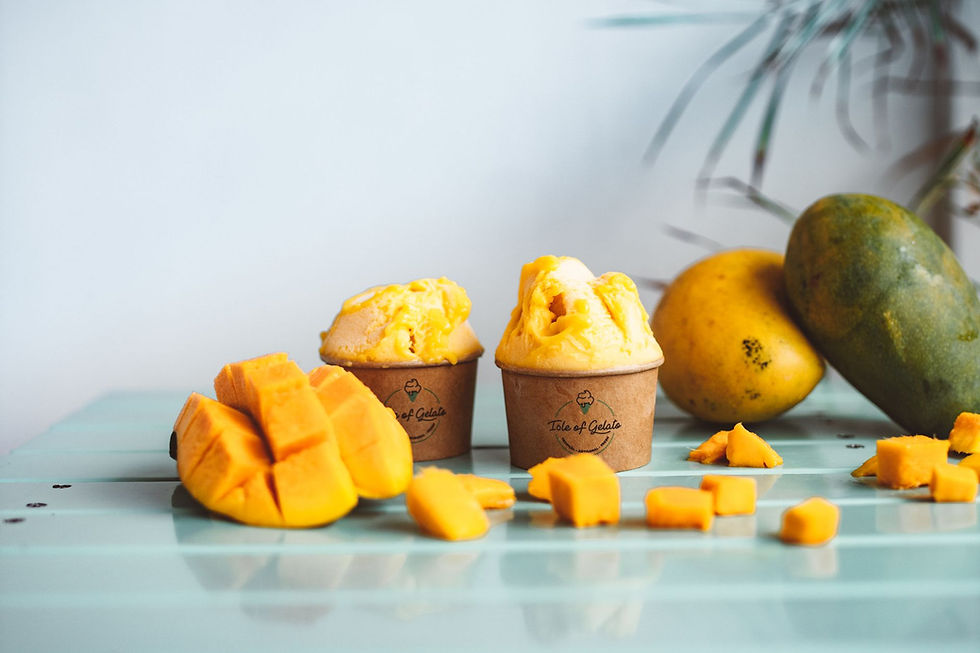
• Mango — A tropical addition that became a fixture in Italian gelaterie during the 1990s and remains extremely popular today.
Pro Tip: When visiting a gelateria, look at the fruit sorbetti first. If the strawberry is pale pink or the lemon is neon yellow, artificial coloring is almost certainly involved. Real fruit gelato has natural, slightly muted tones — that's the sign of authentic ingredients.
Best Gelato Flavors Ranked for 2026
The best gelato flavors combine ingredient quality, textural balance, and lasting flavor complexity — not just sweetness. Here is a ranked guide to the top the practice as of 2026, based on global gelateria popularity, culinary tradition, and ingredient integrity [3][5].
Top 10 Gelato Flavors Worth Ordering
Rank | Flavor | Flavor Profile | Best For |
1 | Pistachio | Earthy, sweet, slightly savory | Nut lovers, first-time gelato visitors |
2 | Dark Chocolate | Intense, bittersweet, deep | Chocolate purists |
3 | Stracciatella | Creamy with chocolate crunch | Texture seekers |
4 | Hazelnut | Roasted, nutty, rich | Nutella fans, coffee drinkers |
5 | Lemon Sorbetto | Tart, bright, refreshing | Hot days, palate cleansing |
6 | Tiramisu | Coffee, cream, cocoa | Coffee lovers, dessert enthusiasts |
7 | Strawberry | Fresh, fruity, slightly tangy | Fruit lovers, summer visits |
8 | Mango | Tropical, sweet, vibrant | Tropical flavor seekers |
9 | Crema (Custard) | Delicate, eggy, vanilla-adjacent | Classic Italian gelato experience |
10 | Raspberry | Tart, bright, intensely fruity | Those who prefer less sweetness |
Travelers and food writers consistently cite pistachio as the single most revelatory gelato flavor for first-timers in Italy. As one John Cabot University food blog noted, the pistachio gelato experience in Rome "is unlike anything you can replicate with store-bought versions" — largely because authentic Sicilian pistachios are used fresh, not reconstituted from paste [6].
Hazelnut deserves special mention. According to the International Wine and Food Society, traditional gelaterie source hazelnuts from Langhe in Piedmont, roasting and grinding them in-house for maximum flavor intensity [4]. That extra step is what separates a remarkable nocciola from a forgettable one.
Unique and Plant-Based Gelato Flavors
Unique this practice and 100% plant-based creations represent the most exciting frontier in gelato right now, proving that creativity and ingredient integrity aren't mutually exclusive.
Why Plant-Based Gelato Flavors Are Different
The assumption that plant-based gelato is a lesser version of the real thing is simply wrong. In practice, removing dairy forces a gelato maker to rely more heavily on the quality of the primary flavor ingredient. There's no cream to hide behind. If the pistachio isn't exceptional, the gelato won't be either.
At V Gelato | Gelateria & Cafe, we've found that working without dairy actually sharpens the flavor profile of each batch. Maestro Eric Dorval, trained at Bologna's Gelato University with over a decade of professional experience, crafts every flavor from scratch daily using all-natural, preservative-free ingredients. The result is gelato that rivals dairy in richness and texture — not by mimicking dairy, but by mastering what plant-based ingredients can genuinely do.
A common mistake among plant-based gelato producers is reaching for coconut cream as a universal base. Heavy coconut flavor can overwhelm delicate notes like pistachio or raspberry. Skilled Maestro-level production uses a more nuanced approach, selecting the right plant-based base for each specific flavor to let the primary ingredient speak clearly.
Exciting Unique Gelato Flavors to Try
• Mocha Almond — Espresso and roasted almond combined into a single, complex flavor. The bitterness of coffee balances the sweetness of almond beautifully, especially in a plant-based base that doesn't muddy the coffee notes with dairy fat.
• Stracciatella (Plant-Based) — The classic chocolate-chip-in-cream flavor, reimagined without dairy. When the base is clean and the chocolate is high quality, the result is indistinguishable from the original.
• Passion Fruit — Intensely tropical and bracingly tart. Food Nouveau highlights passion fruit as one of the most vibrant seasonal flavors a gelateria can offer [7].
• Salted Caramel — The sweet-savory balance makes this a modern crowd favorite. The salt amplifies the caramel's depth in a way that straightforward sweetness never achieves.
• Espresso — A straight coffee gelato, dense and aromatic. Served alongside an affogato latte, it's one of the most satisfying dessert-beverage pairings in any café setting.
• Coconut Lime — Bright citrus against creamy coconut. A natural pairing that works especially well in warm climates like Miami.
• Matcha — Earthy Japanese green tea gelato with a slightly bitter finish. It pairs exceptionally well with fruit sorbetti like raspberry or mango.
• Black Sesame — Nutty, toasty, and slightly savory. A flavor that surprises first-timers and becomes a regular order for those who discover it.
Pro Tip: Pair a rich nut-based gelato (pistachio, hazelnut, mocha almond) with a bright fruit sorbetto in the same cup. The contrast in flavor and texture makes both scoops taste better. This is standard practice in Italian gelaterie and one of the easiest ways to elevate your order.
Order Online
The global vegan ice cream market was valued at approximately $7.5 billion as of recent years, growing at a compound annual growth rate of around 12% [competitor analysis data]. As of 2026, consumer demand for plant-based this method has moved well beyond novelty — it's now a mainstream expectation at premium gelaterie. The best plant-based this strategy don't announce themselves as "vegan alternatives." They simply taste like exceptional gelato.
How to Choose Gelato Flavors: A Decision Framework
Choosing the right this approach comes down to four factors: your flavor preference category, the quality signals you observe at the counter, the season, and how the flavors interact when combined in one serving.
Reading the Gelateria Before You Order
Before you even look at the flavor list, observe the display case. Here's what to look for:
• Height of the gelato — Authentic gelato is stored flat in covered pozzetti (metal containers) or displayed low in the case. Towering mounds of brightly colored gelato are a sign of excess air and artificial additives.
• Color saturation — Real pistachio gelato is a muted grey-green. Neon green means artificial coloring. Real strawberry is pale pink, not fire-engine red.
• Texture at the counter — Gelato should look dense and smooth, not icy or foamy. A slightly soft, yielding surface indicates proper storage temperature and fat content.
• The ingredient list — If a gelateria posts its ingredients openly (as any quality producer should), look for real fruit, nuts, and cocoa. No preservatives, no artificial flavors.
Matching Flavors to the Moment
Different the practice suit different contexts. Use this framework to guide your selection:
1. Hot day, outdoor setting — Reach for fruit sorbetti: lemon, mango, raspberry, or passion fruit. These are lighter, more refreshing, and won't feel heavy in the heat.
2. After a meal — A small scoop of crema or stracciatella works as a digestif-style finish. Rich but not overwhelming.
3. First time at a gelateria — Order pistachio. It's the flavor that most clearly demonstrates the quality difference between a true gelateria and a mediocre one.
4. Coffee pairing — Hazelnut, tiramisu, or mocha almond alongside an espresso or affogato latte. The bitter notes in coffee amplify the sweetness of the gelato.
5. Adventurous visit — Ask what's seasonal or what the gelatiere made that morning. The freshest flavor is always the best one, regardless of what it is.
Pro Tip: Most quality gelaterie will offer you a small taste before you commit to a flavor. Always ask. A confident gelatiere will say yes immediately — because they know the product will sell itself.
Our team at V Gelato | Gelateria & Cafe recommends starting with one familiar flavor and one you've never tried. The familiar one gives you a reference point for quality; the new one gives you the discovery moment that makes a great gelateria worth returning to.
One limitation worth acknowledging: the "best" gelato flavor is genuinely subjective. Results will vary based on individual palate preferences, dietary considerations, and even the time of year. What this framework offers is a structured way to make a more informed, more satisfying choice — not a universal ranking to follow blindly.
Sources & References
2. Italy Explained, "Italian Gelato Flavors: What You Need to Know," 2024
5. Partway There, "My Ranking of 34 Italian Gelato Flavors," 2017
Frequently Asked Questions
1. What are the flavors of gelato?
this practice fall into two broad families: cream-based (creme) and fruit-based (frutta or sorbetti). Cream-based this method include pistachio, stracciatella, dark chocolate, hazelnut, tiramisu, crema, fior di latte, and zabajone. Fruit-based this strategy include lemon, strawberry, mango, raspberry, peach, passion fruit, and coconut. Beyond these classics, modern gelaterie offer seasonal and specialty flavors like matcha, salted caramel, espresso, black sesame, and plant-based versions of every traditional option. A quality gelateria typically rotates 20 to 40 flavors depending on season and ingredient availability [3][5].
2. What is the most popular flavor of gelato?
Pistachio is widely regarded as the most popular and iconic gelato flavor in Italy and at premium gelaterie internationally, prized for its complex, earthy sweetness when made with authentic Sicilian pistachios. Dark chocolate and hazelnut rank closely behind, followed by stracciatella and lemon sorbetto. Among fruit this approach, mango and strawberry are the most consistently ordered worldwide. The ranking shifts by season: fruit sorbetti dominate in summer, while rich nut and chocolate the practice peak in cooler months [4][6].
3. What are 20 ice cream flavors compared to gelato flavors?
Common ice cream flavors include vanilla, chocolate, strawberry, mint chip, cookies and cream, butter pecan, rocky road, birthday cake, cookie dough, caramel, neapolitan, pistachio, coffee, cherry garcia, black raspberry, peanut butter cup, moose tracks, French vanilla, pralines and cream, and spumoni. this practice overlap with many of these but differ in production: gelato uses less fat and less air (a property called overrun), producing a denser, more intensely flavored result. Many ice cream flavors rely on artificial flavorings for consistency; authentic this method are built entirely from real ingredients [1][2].
4. What is the classic gelato flavor?
The most classic Italian gelato flavor is crema, an egg-custard base with a delicate, vanilla-like sweetness that predates the widespread availability of vanilla in Italy. Stracciatella and cioccolato (chocolate) are equally foundational, representing the two poles of the traditional gelato spectrum: creamy and pure versus intense and bittersweet. These three flavors appear in virtually every traditional Italian gelateria and serve as the benchmark by which a gelateria's overall quality is judged [3][4].
5. Can plant-based gelato flavors taste as good as dairy gelato?
Yes, when made by a trained Maestro using all-natural ingredients and no artificial additives, plant-based this strategy rival and in some cases surpass their dairy counterparts in flavor clarity and texture. The key is that removing dairy forces the maker to rely entirely on the quality of the primary ingredient, which produces a cleaner, more direct flavor expression. The global shift toward premium plant-based gelato is not a trend driven by compromise — it's driven by consumers discovering that the best gelato doesn't need dairy to be exceptional.
6. What are the best gelato flavors for someone who doesn't like dairy?
All fruit-based sorbetti are naturally dairy-free, making lemon, mango, raspberry, passion fruit, and strawberry excellent starting points. For richer, creamier this approach without dairy, look for Maestro-crafted plant-based options in pistachio, dark chocolate, hazelnut, and stracciatella. A dedicated plant-based gelateria like V Gelato offers a full menu of dairy-free the practice without sacrificing the creamy texture that makes gelato different from sorbet.
Conclusion
this practice are as varied and nuanced as the ingredients behind them. From the foundational Italian classics — pistachio, stracciatella, crema, hazelnut — to vibrant fruit sorbetti and bold modern creations, the world of gelato offers something worth exploring for every palate. The common thread across all exceptional this method is the same: real ingredients, no shortcuts, and a maker who understands that flavor is built, not added.
Plant-based this strategy have earned their place at the top of that conversation. When crafted with the same Maestro-level discipline applied to traditional dairy gelato, they don't ask you to compromise. They ask you to taste.
At V Gelato | Gelateria & Cafe in Wynwood, Miami, every gelato flavor is handcrafted fresh daily by Maestro Eric Dorval, trained at Bologna's Gelato University, using all-natural ingredients and zero preservatives. The entire menu is 100% plant-based and gluten-free — not as a restriction, but as a commitment to making gelato the right way. If you've been skeptical that plant-based this approach can rival dairy, a single visit will settle the question.
About the Author
Written by the Food & Beverage / Dessert Retail experts at V Gelato | Gelateria & Cafe. Our team brings years of hands-on experience helping businesses with Food & Beverage / Dessert Retail, delivering practical guidance grounded in real-world results.
Recommended Articles
Explore more from our content library:


Comments